
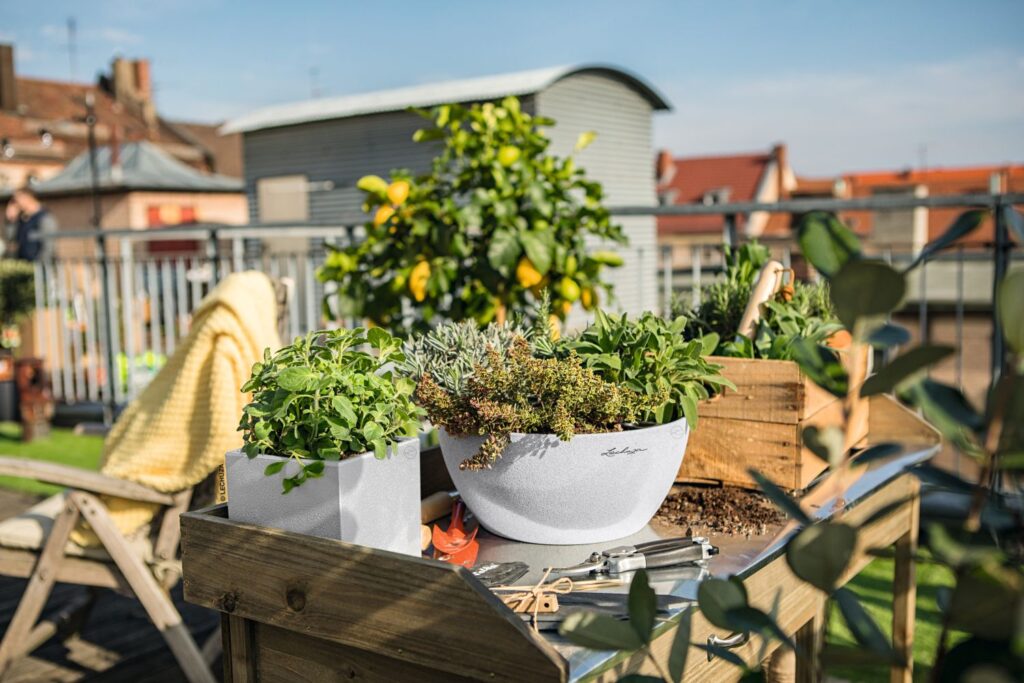
Lechuza’s horticultural expert, Ross Dyke, looks at the best pairings for pest control without sacrificing aesthetic appeal
Companion planting is a gardening technique that involves pairing certain flowers and herbs with vegetables to naturally deter pests and enhance the health of your crops. This commonly used method is free from chemical interventions and relies on the unique properties of specific plants that can repel harmful insects through their aromatic scents or essential oils. Some companion plants also attract beneficial predators that help keep the pest population in check. By leveraging the natural advantages of companion planting, you can create a thriving and resilient ecosystem.
Companion planting goes beyond the traditional confines of large garden beds, it can be just as effective in container gardening when approached with careful planning. One of the advantages of using containers is the ability to control plant placement more precisely. This means you can position pest repelling plants right where you need them, this will help maximise their protective benefits.
In smaller spaces such as patios or balconies, companion planting can create a thriving ecosystem that minimises pests and enhances growth. When selecting companion plants for containers, it’s essential to consider their growth habitats, light requirements, and soil preferences to ensure compatibility.
Strategically implementing companion planting is an effective way to reduce chemical pesticides and enhance biodiversity in your garden. Emphasising diversity by mixing flowers, herbs, and vegetables establishes a resilient ecosystem that naturally controls pests. When designing your layout, opt for clusters instead of rows. Interplanting these species among your vegetables not only offer protection but also actively promotes beneficial insect activity. This approach will ensure a thriving garden environment.
To create an effective container garden using companion planting, start by choosing a variety of compatible plants. Arrange them thoughtfully; for example, you could place pelargoniums beside vulnerable plants to create a natural barrier against pests. By combining the right plants, you can create a beautiful and productive container garden that thrives in any space.
Good Companions
Pelargroniums (Scented Geraniums, [pictured above)
Pelargoniums, particularly the scented varieties, are a fantastic and often underappreciated choice for container planting alongside vegetables in container gardens.
These plants effectively ward off common garden nuisances such as whiteflies, aphids, fleas, and thrips, creating a more hospitable environment for your vegetables. They thrive beside vegetable plants like tomatoes, peppers, and aubergines, making them ideal companions for patio containers where space is limited. The secret to their effectiveness lies in the oils that are released from their leaves. These oils create a natural barrier, confusing and repelling flying insects that threaten your plants. There are also varieties that emit scents of lemon such as ‘Lemon Fancy’ that are especially powerful, further enhancing the protective benefits they provide to your garden.
Pelargoniums excel in pots and thrive in sunny, well drained conditions, just like many fruiting vegetables. For the best growth and if you have the room, place each pelargonium in its own pot instead of overcrowding them in the same one. The approach guarantees the correct root space for both plants while still allowing you to take advantage of the beneficial scent barrier they provide.
Geranium image credit: Pelargonium for Europe
Marigolds (Tagetes)
Marigolds are widely recognised as excellent companion plants in the gardening world due to their distinctive strong scent and beneficial root compounds that have a positive impact on nearby plants.
Marigolds are effective in deterring a variety of pests including aphids, whiteflies, nematodes, and cabbage moths. Their strong odour is known to deter these harmful insects, making them a valuable addition to any garden. They thrive alongside a range of vegetables but are particularly effective when planted with tomatoes, potatoes, and beans, as well as brassicas like cabbage and broccoli. Their interaction with these crops can enhance growth and yield.
The secret behind marigold’s effectiveness lies in their roots, which release specific natural compounds that suppress harmful nematodes in the soil, thus protecting the roots of neighbouring plants. Additionally, the strong scent emitted by marigolds acts as a natural repellent confusing flying pests and keeping them away from more vulnerable crops.
When using small containers, consider using compact French marigolds like ‘Bambino’. Their golden yellow and deep orange blooms and a nice vibrant colour while their bushy form makes them ideal for tight spaces.
Nasturtiums
Nasturtiums are bright and cheerful flowers that not only add colour to your garden but also play a vital role as a trap crop. They have blooms that attract harmful pests, effectively drawing them away from your valuable vegetables.
They are especially effective at repelling aphids, whiteflies, and cucumber beetles, safeguarding your plants from these threats. They are best paired alongside cucumbers, pumpkins, and courgettes. The sweet nectar and colourful petals – including aphids – are particularly appealing to aphids, allowing them to flock to these flowers instead of infesting the nearby crops, thereby providing essential protection and promoting healthier growth.
When growing them in containers, encourage their growth to cascade over the edges of the pots, where they can act as a clever decoy crop, drawing the attention away from other plants while enhancing the overall visual appeal of your space.
Basil
Basil is not only a culinary herb known for its great flavour, but it also plays a valuable role in natural pest control. Because of its fragrant scent it effectively drives away unwanted intruders such as aphids, flies, and tomato hornworm, helping to keep your vegetable garden healthy.
Basil complements the juicy flavour of tomatoes and the crispness of peppers, making it a perfect companion in an array of dishes. It works because the essential oils released by basil have a strong aroma that insects find unappealing, deterring them from nearby plants. Additionally , these oils may enhance not only the growth but also the taste of tomatoes, resulting in a more flavourful harvest.
If your space permits, consider planting basil directly alongside tomatoes in the same pot. This classic combination not only maximises your gardening space but also creates a nice growing environment, as these plans can support each other’s growth. Not only that but you also have a great tomato and basil pasta sauce all in one place.
Lavender
It’s known for its aromatic fragrance, which many people find appealing. The unique scent of lavender not only delights the senses of humans but also masks the aromas of nearby vegetables that pests rely on to locate their hosts.
The aroma of lavender helps to confuse moths, which are often drawn to the scent of vegetables. Fleas are also deterred by lavender, making it a great choice for pet owners looking to keep their spaces flea-free. The strong fragrance can also repel flies, preventing them from disturbing your garden or home.
Lavender pairs well with several garden favourites: Brassicas, including cabbage, broccoli, cauliflower and kale, which thrive when matched with lavender, whilst carrots also benefit from its protective qualities.
When growing lavender in containers, it’s best to use dwarf varieties that stay compact and tidy. Two great starting varieties are ‘Munstead’ an English lavender with blue-purple flower spikes that blossom throughout the summer. To create a contrast, pair it with a dwarf white variety such as ‘Arctic Snow’. The pure white flowers against the purple tones of ‘Munstead’ give your container an elegant colour mix that will look great from early summer right into autumn.
Image of Lavender and Chilli by Lechuza
Mint
Mint is a vigorous herb that can quickly spread throughout your garden. Its strong scent acts as a natural deterrent against pests, making it an excellent choice for pest management. Mint effectively repels a range of unwanted visitors, including ants, aphids, cabbage moths, and flea beetles.
This hardy herb is best paired with vegetables like cabbage, broccoli, and kale, not only complementing their flavours but also providing protective benefits. The intense and refreshing scent of mint overwhelms the sensory receptors of many garden pests, making it difficult for them to thrive. A top tip when growing mint is to control its aggressive growth, consider planting mint in containers, which will help keep it contained and manageable.
Chives
Chives are highly effective at repelling aphids. They pair very well with tomatoes and are known to enhance the flavour of carrots, especially when grown in deep containers that allow for the root system to thrive. Similarly, tomatoes benefit from the presence of chives, which can help improve overall health and yield by deterring the insects that would otherwise harm them.
Chives possess a charming, upright growth habit that makes them an ideal choice for container growing. Their slender, green stalks can add elegance and height to your arrangements, making them perfect for tucking into the corners of your pots. This vertical growth not only maximises the space you have but also creates a beautiful contrast with trailing plants and other shorter herbs, allowing for a lush and thriving container garden.
Need more tips?
Visit the LECHUZA Academy for hints, tips and inspiration to help with your container gardening.
ENDS
Notes to editors:
LECHUZA is a leader in premium self-watering planters and innovative PON growing substrates, designed to simplify plant care while delivering healthier, more consistent results.
Another Plant Swap is a UK-based community platform bringing plant lovers together through inclusive swap events, education-led workshops and shared growing knowledge.
Ross Dyke is Lechuza’s resident horticultural expert, bringing hands-on growing knowledge alongside a strong track record in education, media and industry engagement. Alongside his work as a grower, he hosts The Plant Pod podcast and founded Get Children Growing – an initiative that has delivered more than 14,000 free grow kits to UK schools in just two years. Ross is also a regular media contributor, recently launching a weekly column with the Worcester News and contributing across the wider Newsquest network, with his first book, The School Garden Guide: How to Grow, Cook, and Learn, set for publication this September.
MORE INFORMATION ABOUT LECHUZA
Charlotte Cowell – charlotte@hornbygeorgepr.com – tel: 07725 181974
Visit the dedicated LECHUZA Media centre at https://lechuza.pressdonkey.com/