Mother’s Day (15th March 2026) falls in line with the arrival of spring and is a wonderful time to connect with nature and watch the changing habits of birdlife in our very own back gardens.
Here, Maria Kincaid, in-house ornithologist for smart bird feeder, FeatherSnap, shares her insight about bird mums, revealing some species are better than others when it comes to motherhood and caring for their chicks!!
Most bird mums are great mothers – but the bird world works a little bit differently than the human one. Bird mums put a lot of energy into brooding and raising their young, but the “child rearing” stage of motherhood doesn’t last very long. While there are some birds, especially garden birds, that stay with their young for an extended period of time, that nestling stage at its longest is usually about a month.
House Sparrows are attentive parents, raising their young and often staying together in flocks, but once the fledglings are fully independent, after only 7-10 days after leaving the nest, they may stay in association with their parents but are no longer cared for by them.
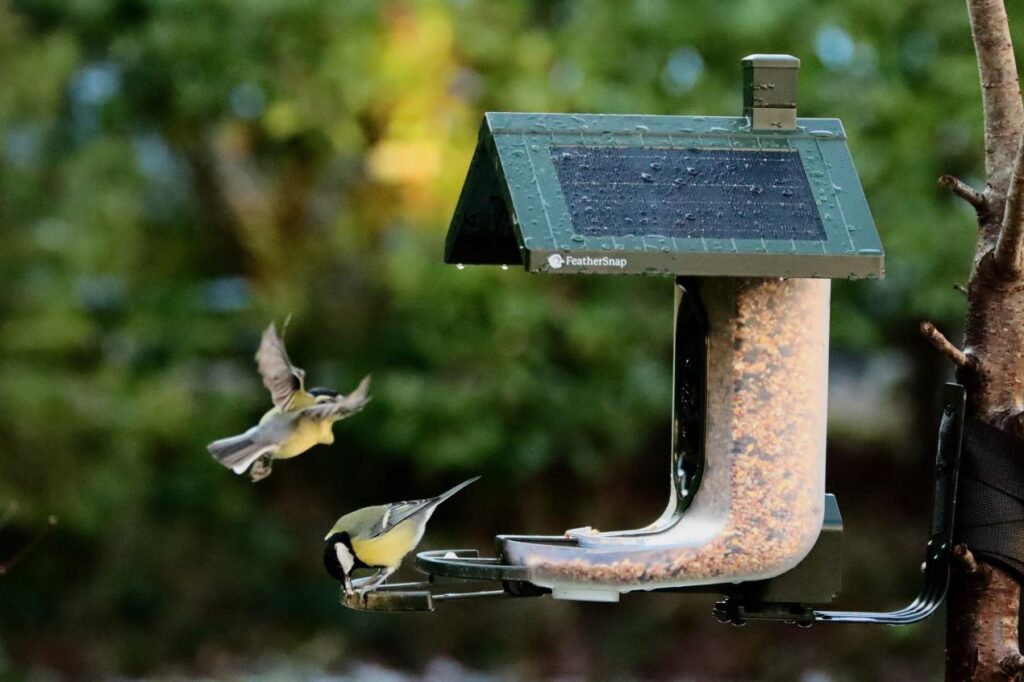
Blue Tits are also considered to be great mothers, incubating eggs and brooding chicks alone, while being cared for by their partner. Once the eggs have hatched, they are cared for, for around 16-23 days, where both parents feed their young a diet of caterpillars and other insects. Once they leave the nest, they’re cared for by their parents for another 2-3 weeks, although that may mostly be by the male as the female is often inclined to begin another clutch of eggs, which requires a lot of energy.
For non-songbird parents, there are birds like Mute Swans. They typically only have one brood per season and are known to be ferociously protective of their nests and young, and it takes a while for cygnets to fledge, anywhere between 120-150 days after they hatch. Unlike songbirds, swan cygnets are born precocial, meaning that they’re fluffy with feathers and walk and feed themselves relatively quickly after hatching. Though they can feed themselves, their parents often dislodge food for their young for easier access. They’ll also carry their cygnets around on their backs to protect them from predators. Once they have become independent, they may stay with their parents through the winter.
As far as birds that are not particularly great mothers, the Common Cuckoo is an obligate brood parasite, meaning that they exclusively lay their eggs in the nests of other species for them to raise and care for!
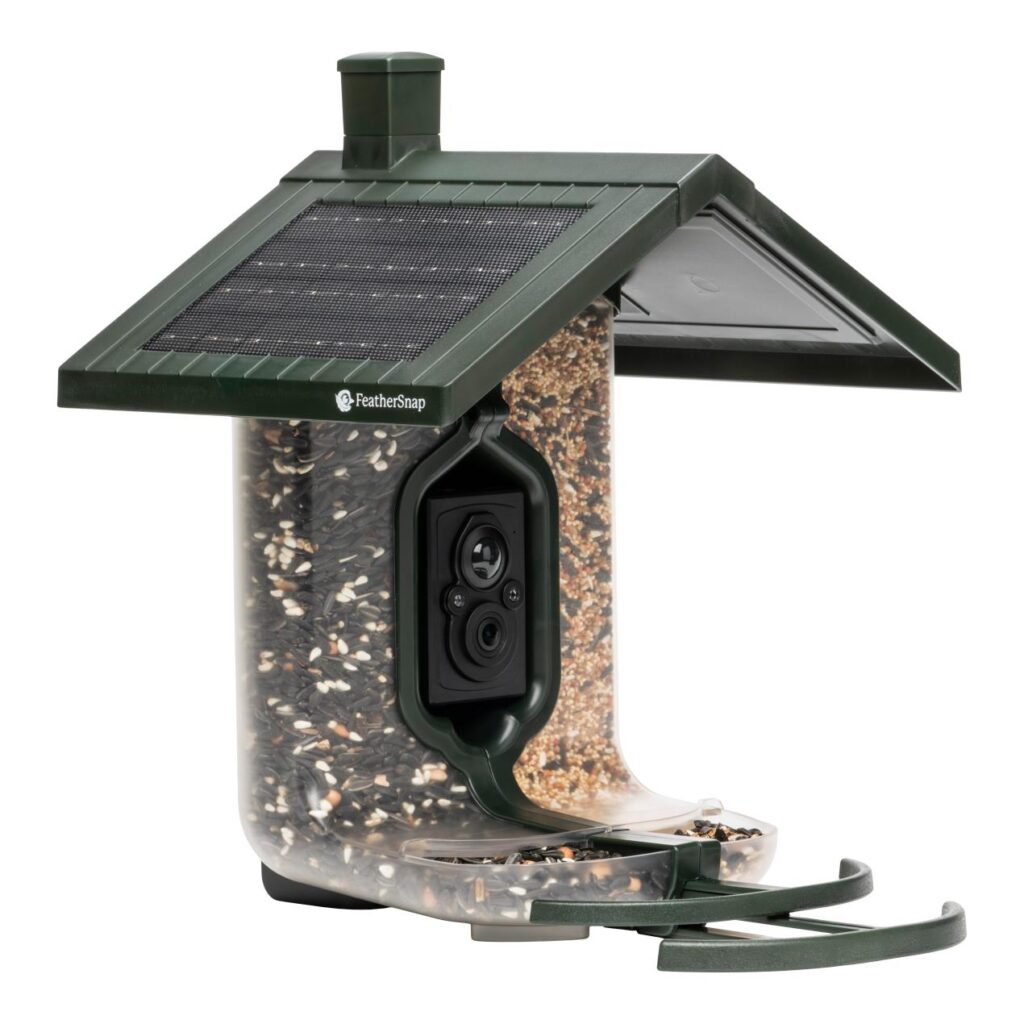
Looking for a truly unique, inspirational and thoughtful Mother’s Day gift? Then why not give your mum the gift of nature with FeatherSnap, the innovative smart bird feeder that will enable her to get up close and personal with all the feathered friends visiting her garden.
Blending the latest technology with expert ornithology, FeatherSnap’s solar-powered smart features transforms garden bird-watching into a truly magical, immersive and interactive experience, that mum and the rest of her family can enjoy together. Equipped with motion-activated cameras and AI-powered bird identification, FeatherSnap captures high-resolution photos and videos of every visitor and sends them directly to the FeatherSnap app.